Throne of the Crown
A stylized stealth-action platformer level in Unity set in a medieval Indian-inspired world. I led environment creation and cinematic polish—building the scene, animating key moments, and shaping how gameplay reads through lighting, composition, and feedback.
Key Visual
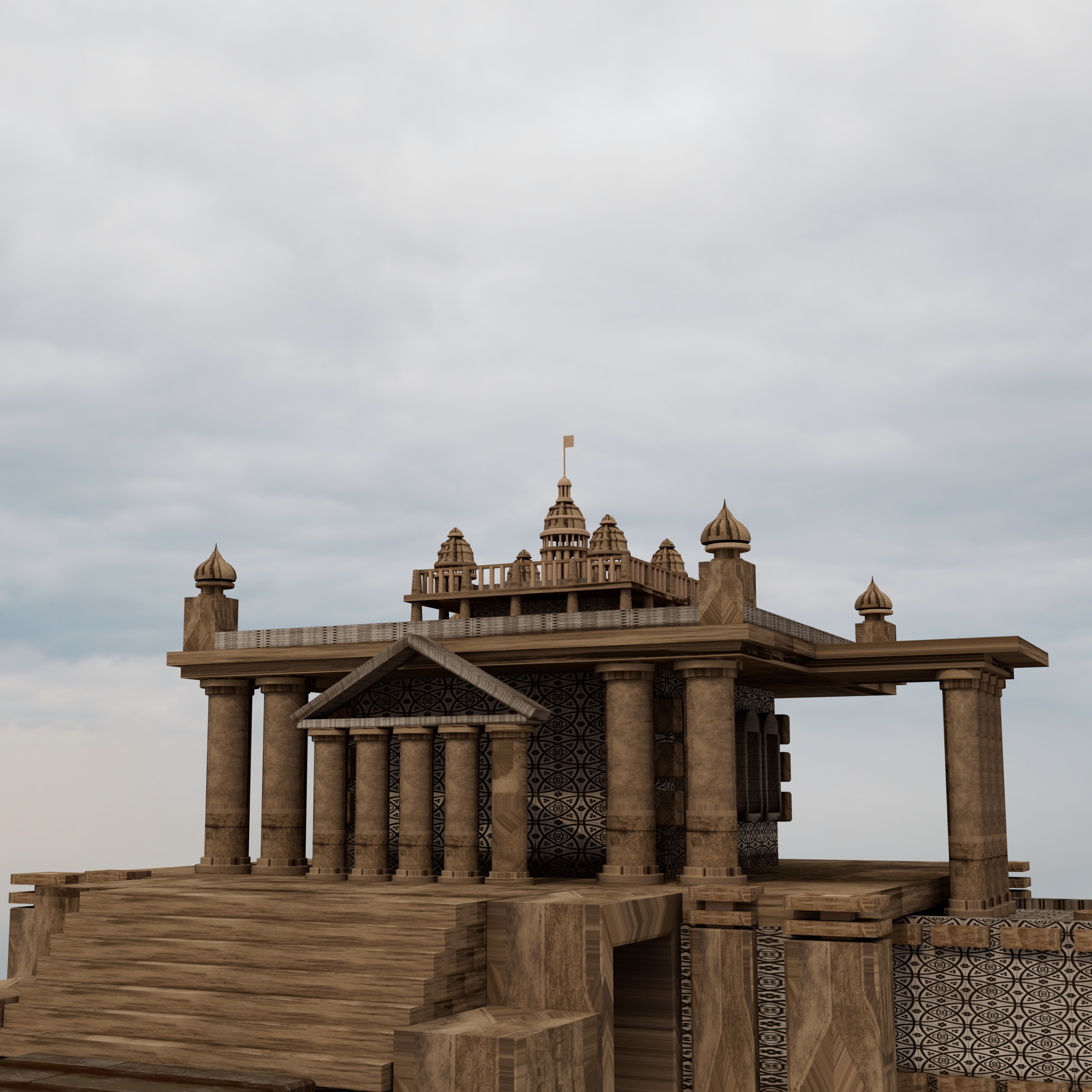
Stylized medieval Indian-inspired setting with strong silhouettes, readable staging, and mood-driven lighting.
Project overview
Throne of the Crown is a stealth-action platformer experience built in Unity where the player navigates guarded spaces, reads enemy territory, and progresses through environmental interaction. The work emphasizes a clear “game read”—strong silhouettes, readable staging, and purposeful set dressing that guides player decisions without heavy UI.
My focus was to make the level feel like a lived-in kingdom space: believable architectural rhythm, intentional routes for stealth, and visual beats that support pacing (tension → release → reveal).
Problem / objective
The challenge was to ship a polished playable level under a tight academic timeline while balancing three pillars:
- Environment clarity: players should instantly understand traversal + stealth options
- Animation + feedback: movement and interactions need to feel intentional and smooth
- Atmosphere: lighting and composition must support the theme and tone of a medieval court
The goal wasn’t just “make it work”—it was to make it feel cohesive: art direction, animation, and level design all reinforcing the same experience.
My role
- Lead 3D Modeller: environment assets, scene dressing, and visual cohesion
- Animator: action readability, animation timing, and interaction beats
- Game Environment Designer: layout, traversal routing, stealth readability, and pacing
- Cutscene / Scene transitions: created the Level 1 → Level 2 transition sequence (6-frame cutscene)
- Lighting + composition to improve player guidance and mood
- Iterated on polish to reduce confusion and strengthen “game feel”
Tools
- Unity
- Maya
- Blender
- C# (implementation support + integration)
- Photoshop (textures, mockups, presentation)
- Audacity (audio cleanup + basic sound workflow)
Concept → blockout
I started by defining the stealth fantasy: a guarded kingdom space where players read patrol routes and pick their moment. I mapped the player’s “readability needs” first—where threats come from, where safety exists, and where the level should create tension vs. relief.
From there, I blocked out traversal lanes, sightlines, and decision zones where the player chooses between speed, safety, or reward. The blockout was iterated until the stealth loop felt consistent: approach → observe → commit → escape → re-plan.
Once the blockout read well, I transitioned into modular environment building—keeping scale consistent and using architecture to frame objectives and guide the camera naturally without relying on heavy UI cues.
Art pass → lighting → polish
After the world structure was set, I pushed atmosphere and clarity through set dressing and lighting. I treated lighting as gameplay support: framing interactables, controlling contrast, and reducing noise in combat/stealth areas so the player’s attention stays on the important read.
Finally, I refined animation beats and interaction moments so that every action reads cleanly—especially in stealth contexts where small mistakes feel punishing. The goal was consistent feedback: what happened, why it happened, and what the player can do next.
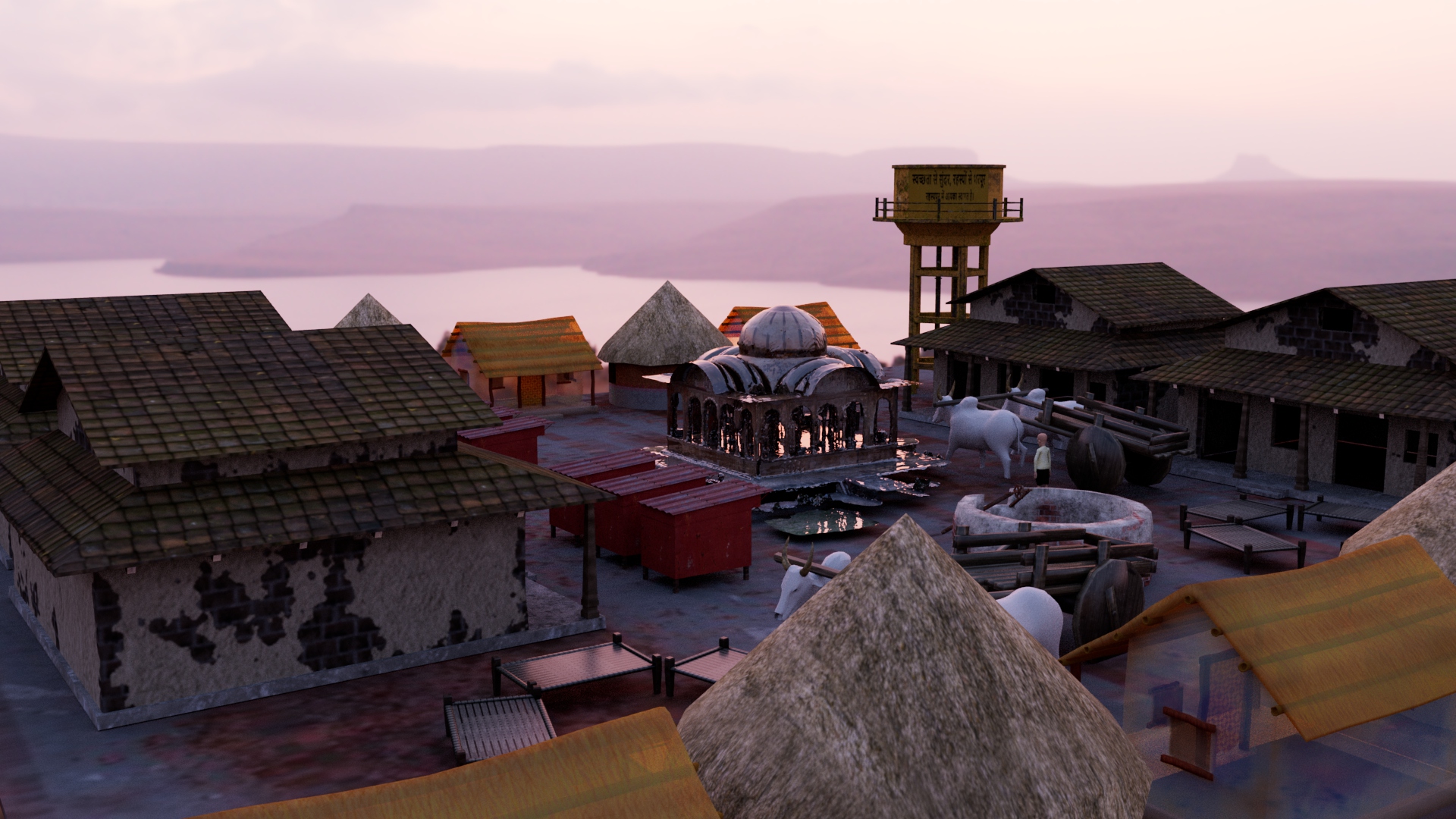
Village set (Maya → Unity lighting workflow)
For one of the story beats, I built a village/city-style environment set and used lighting to establish a readable mood and scene hierarchy. The goal was to create a believable lived-in space while keeping the player path and points of interest visually obvious at a glance.
Using my Maya workflow, I focused on strong silhouettes, layered depth (foreground/mid/background), and deliberate value separation—then translated that intent into Unity lighting so the scene supports pacing, navigation, and cinematic framing.
- Readability: brightest values around objectives and interaction zones
- Atmosphere: controlled contrast to avoid “flat” scenes
- Composition: light used to frame entrances, rooftops, and traversal routes
Scene Still : Modelled for Arjun's Hometown
Modeled and Lit in Autodesk Maya
Micro-moments (2–3s)
Four short clips highlighting key beats: stealth readability, traversal, interaction feedback, and a pacing reveal moment.
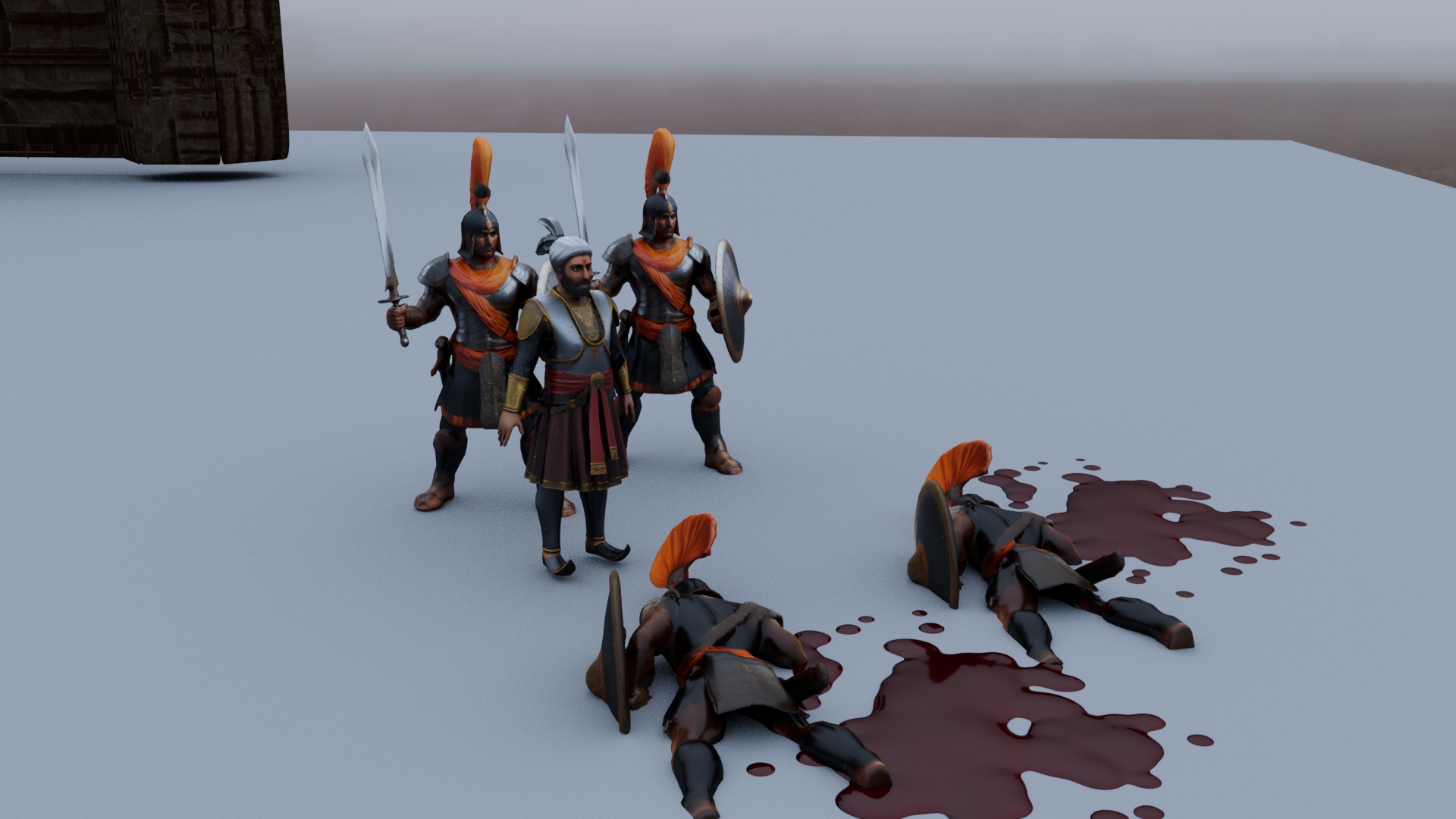
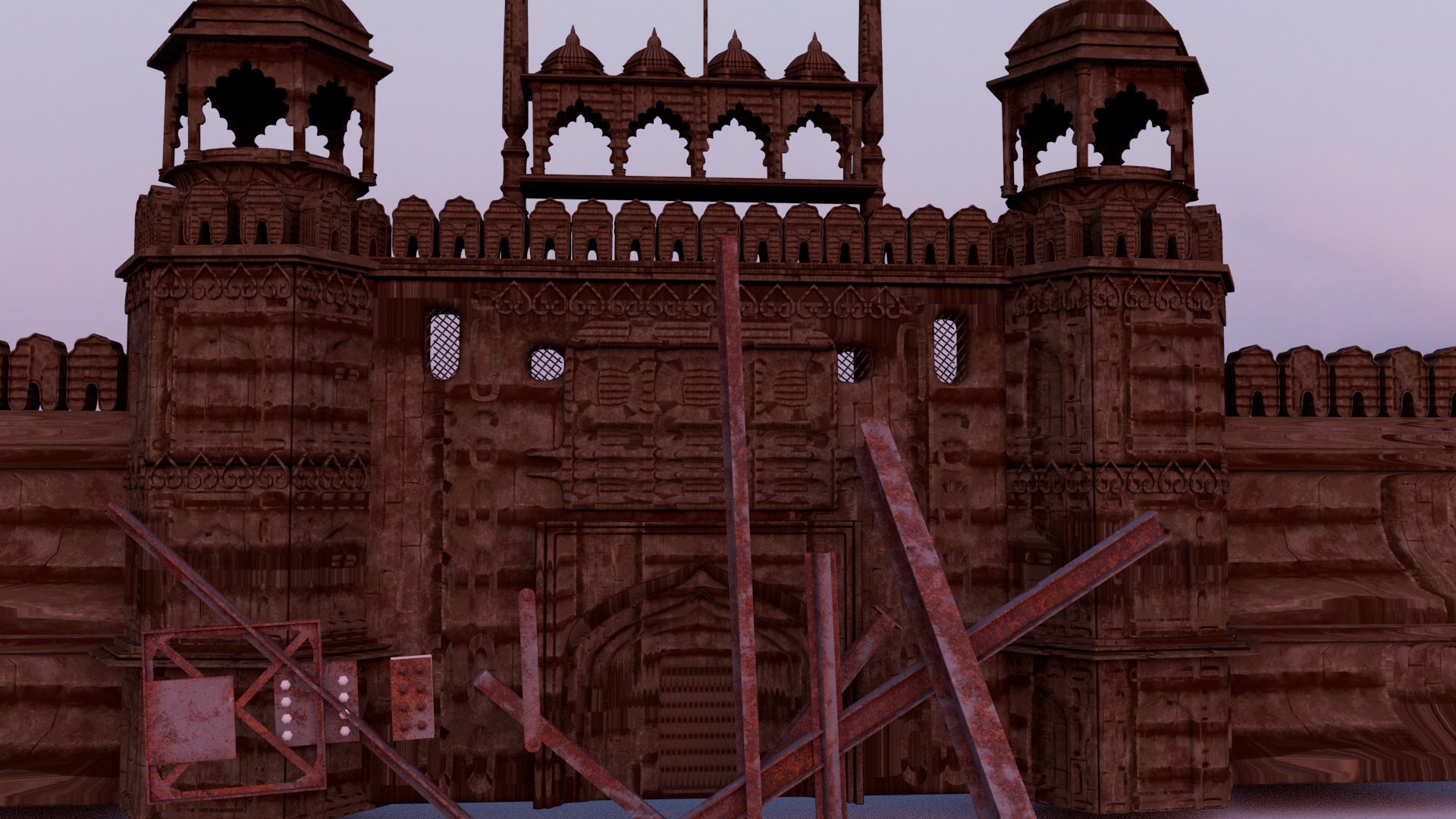
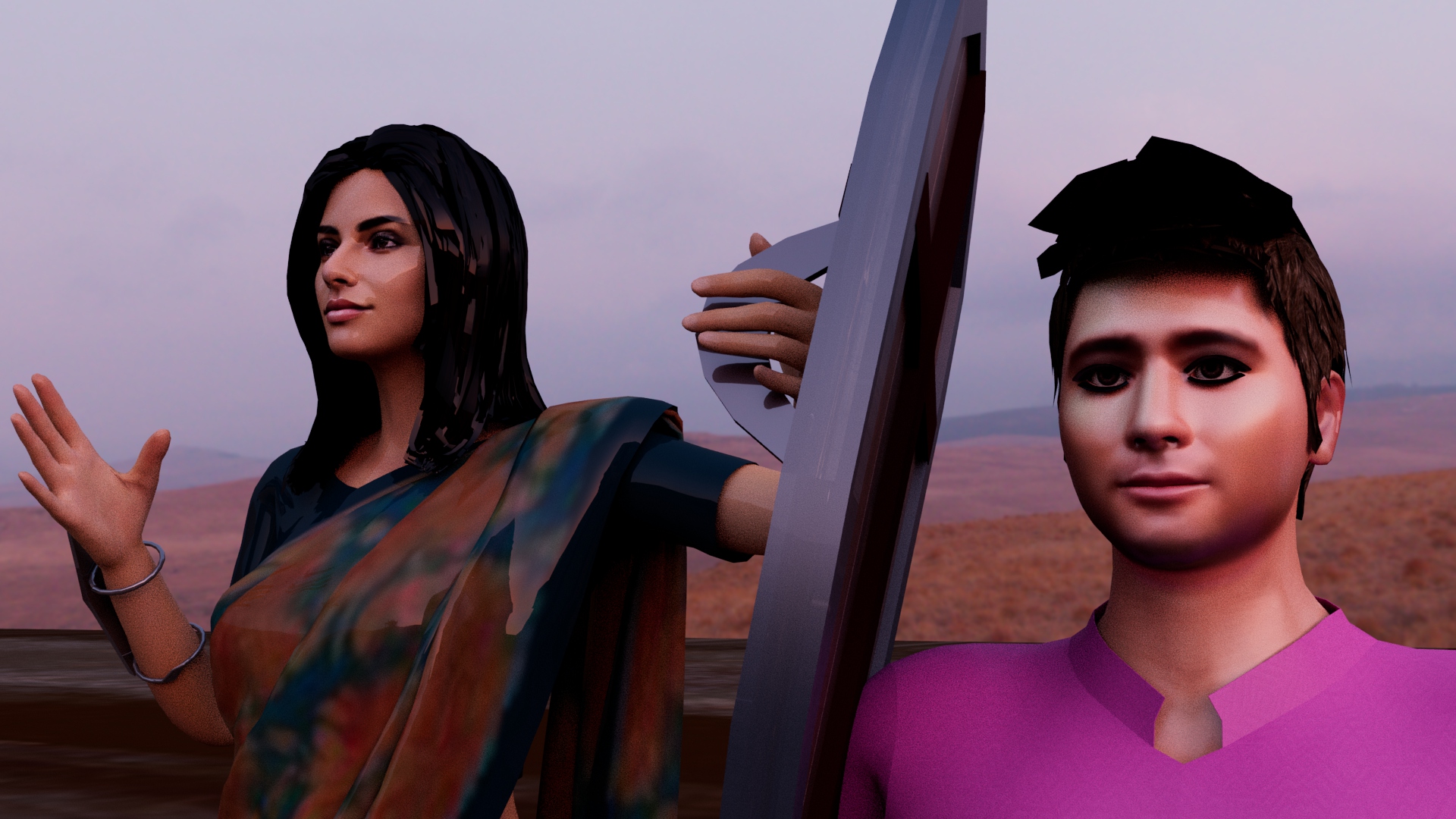
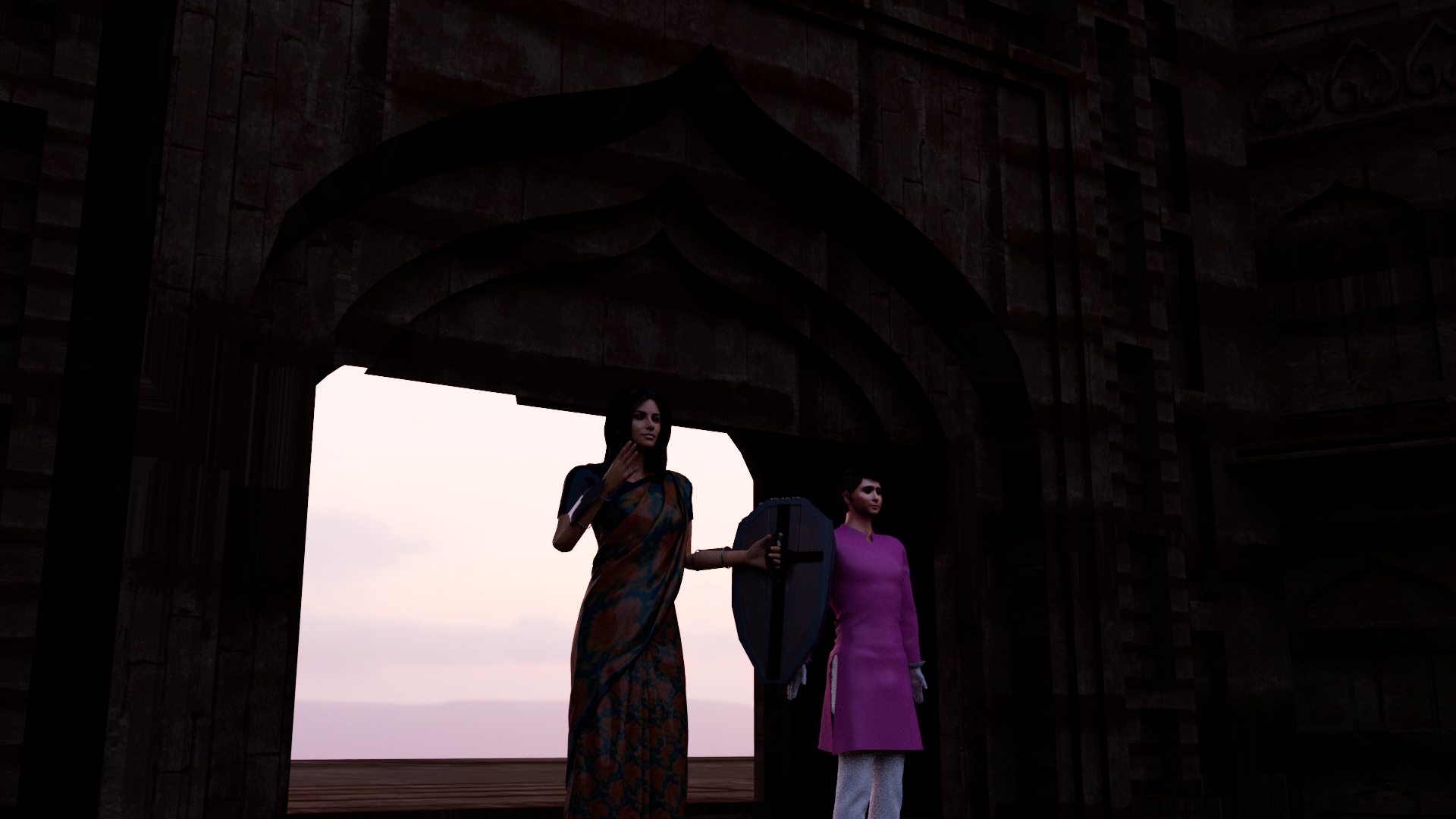
Level 1 → Level 2 (6-frame sequence)
I designed and produced a short cutscene that acts as a scene transition between Level 1 and Level 2. It bridges pacing, reinforces story momentum, and resets the player’s emotional tone before the next space.
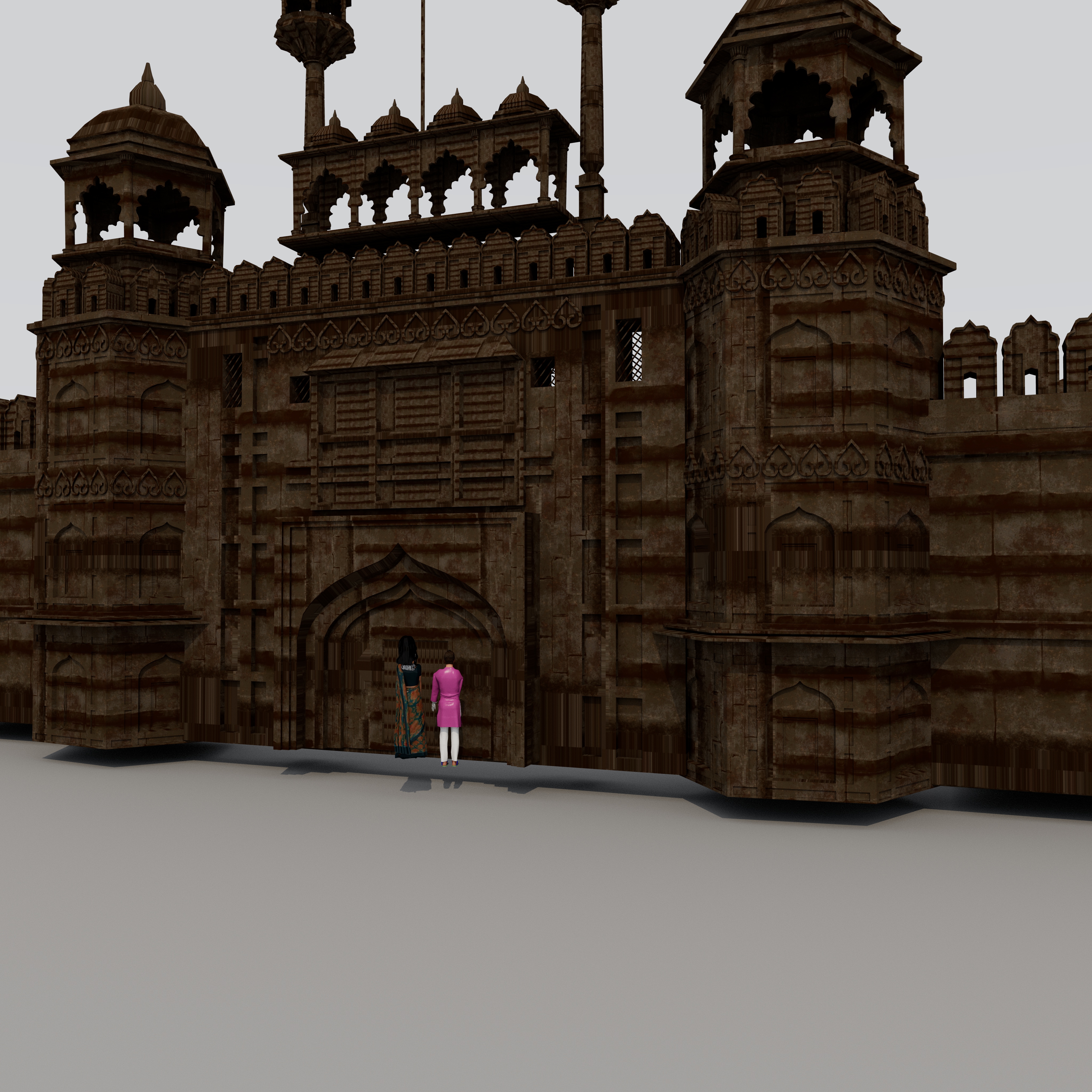
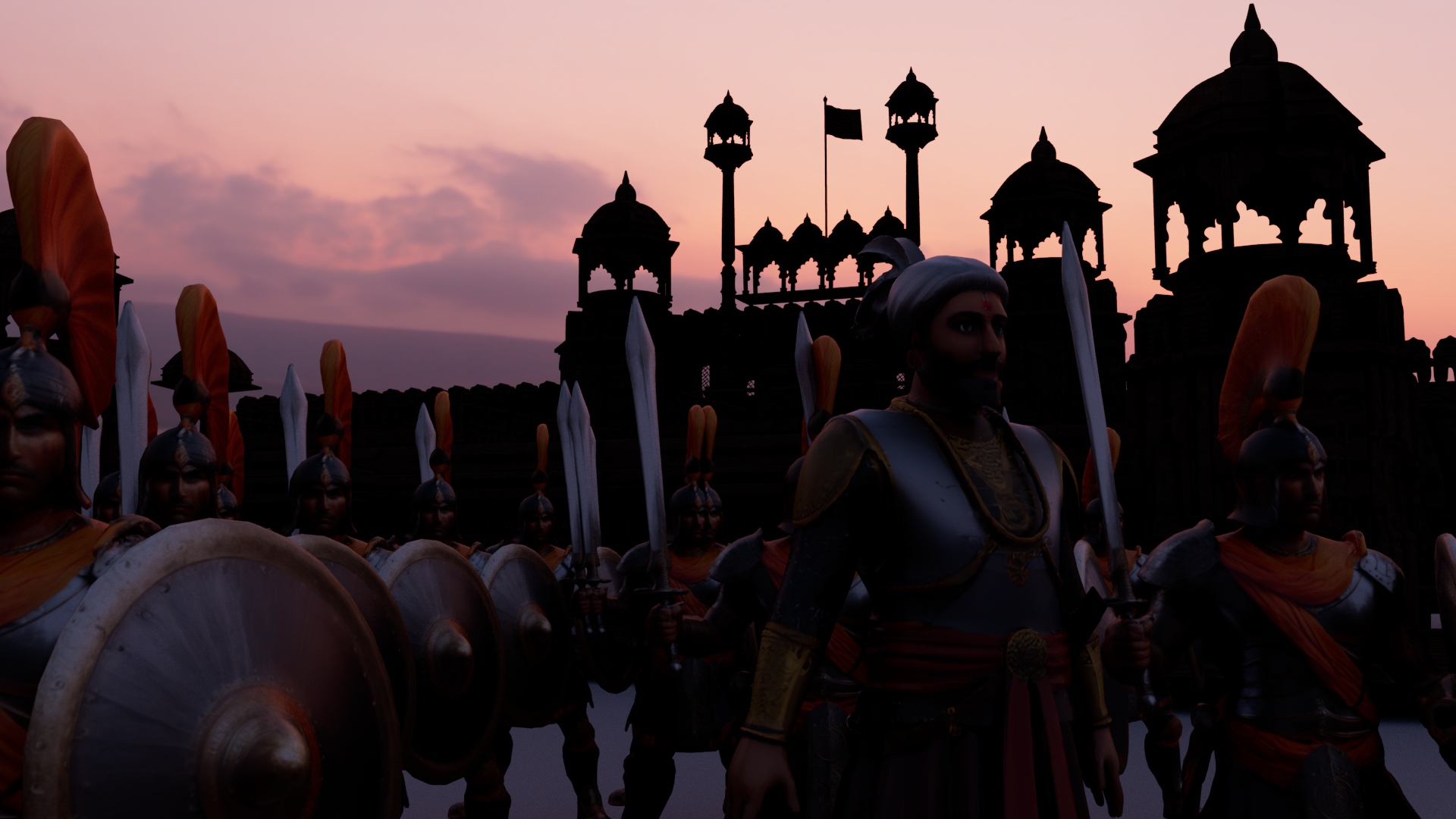
Files location: /public/projects/throne-of-crown/cutscene/ (lvl2scn1.jpg → lvl2scn6.jpg)
Keeping stealth readable
Challenge: In stealth levels, players need instant clarity: enemy presence, hiding opportunities, and safe routes—without cluttering the screen.
Solution: Used composition and environmental hierarchy: stronger silhouettes for cover, controlled sightline breaks, and lighting that pulls attention toward objectives and interactables.
Making interactions feel polished
Challenge: Interactions can feel “gamey” in a bad way if animation transitions jitter or actions lack feedback.
Solution: Tightened animation timing and ensured every interaction has a clear start, payoff, and return to control—so the player feels in sync with the character.
Outcome & impact
The final build delivers a cohesive stealth-action level with a strong sense of place and clear gameplay readability. The environment supports decision-making, interactions feel deliberate, and the overall experience communicates tone through stylized architecture and lighting.
What I learned
- Environment design is UX: clarity and pacing come from space, not UI
- Animation polish improves player confidence and perceived responsiveness
- Lighting can be used as navigation and priority management
- Shipping fast still requires strong constraints and a clear visual hierarchy
Reflection
This project sharpened my ability to lead environment creation end-to-end—blocking out routes, modelling assets, staging scenes, lighting scenes, and polishing animation beats. It reinforced that the best “game feel” comes from a tight loop between level readability, visual hierarchy, and interaction clarity.
Vision
- Genre: 2.5D Action Platformer
- Engine: Unity
- Art style: Stylized, medieval Indian-inspired
- Platform: PC (future console expansion)
- Audience: Platformer, action, and narrative-driven players
Story & setting
In a medieval Indian-inspired kingdom, Arjun (a warrior) and Meera (the rightful heir) navigate palace conspiracies, betrayals, and mythological forces—fighting to reclaim justice before the throne falls into the wrong hands.
- Political intrigue • Betrayal & honor • Power & destiny • Mythic elements
Gameplay mechanics
- Platforming: jump, wall-run, rope swing
- Combat: melee swordplay (light/heavy attacks)
- Stealth: avoid guards, use shadows to hide
- Puzzles: levers, pressure plates, artifacts
- Upgrades: double jump, parry, magic strikes
- Dual character: switch between Arjun and Meera for certain challenges
Level spaces
- Royal chambers (stealth-focused)
- Underground catacombs (puzzle-heavy)
- Palace courtyards (open movement + battles)
- Sacred temples (mythology + magic)
- Battlefields (large-scale fights)
Visual & audio direction
- Indian architecture inspiration and vibrant color palettes
- Armor, jewelry, and fabric textures reflecting historical influences
- Score: sitar/tabla/flute fused with orchestral composition
- SFX: sword clashes, ambient palace soundscape
Technical targets
- Unity URP for optimized performance
- 60 FPS target
- Rigidbody-based movement (where applicable)
- AI: guard patrol behaviors + boss patterns